




Water and Productivity

Water and Productivity

How much water do we really need?:

No, you don’t need to count 8 glasses of water a day. But your body, your attitude, and your bank account will thank you for drinking more. Here are the numbers:

  • Men: about 15.5 cups (3.7 litres) daily
  • Women: about 11.5 cups (2.7 litres) daily

Business man with headache - dehydration

That sounds like a lot, but it’s not just straight water. About 20% comes from food, and more comes from other drinks. Everything in our body needs a constant supply of water to function efficiently. Deny your tissues enough water, and dehydration sets in. Getting thirsty happens after you’ve gotten dehydrated, and the dreaded headache after that. Dehydration affects our mood, outlook, and productivity level. If you can’t afford to waste time in your job, then you can’t afford to be dehydrated.

Science Says So:

A 2013 study at the University of London wanted to quantify if water makes us more productive. So:

  • 34 people in Group A ate a plain breakfast with no water
  • 34 people in Group B ate breakfast with water after

Both groups were asked to perform simple tasks, and Group B performed 14% better than Group A. In the world of business, 14% is a big margin. They tried it another way. Researchers asked teens to ride bicycles for an hour and half in heavy clothing. The exertion actually shrunk their brains to the equivalent of aging 1 year. After drinking water, the shrinkage reversed.

People drinking water in Business Office

How drinking water makes us more money:

Without water, your blood can’t carry enough oxygen to your brain. Losing as much as 2% of your body’s water can kill your motivation, spike your fatigue, and make everything just a little more stressful. Your brain function suffers at the very beginning of dehydration; well before you even feel thirsty let alone get a headache. Your business won’t perform at its best if you don’t, so drink up.

How do we drink enough water:

First we need to know how much we need. There’s a formula: divide your weight (in pounds) in 2 and that’s how many ounces you need. So a 200 pound man needs 100 ounces or about 3 litres a day. And no, you shouldn’t guzzle it all at once.

We’re just not going to remember to go to the water cooler that many times (and we’re normally shushing our employees away from there, anyway). Here’s a hack: include drinking a glass of water in your daily routines.

  • When you brush your teeth: have a glass
  • Before you have supper: have a glass
  • Before you turn on Netflix when you should be catching up on paperwork: have a glass

This will turn drinking water regularly into a habit. It will get you to your daily intake and get your brain at peak performance where it needs to be.

It’s your job to build your business. Don’t deny yourself the mental function to do that to the best of your ability.

How to Reduce Deadly Waste in Construction: Talent

How to Reduce Deadly Waste in Construction: Talent

You can’t automate the process of finding and fixing Deadly Waste. It’s case by case and pops up anywhere.

If you research the Deadly Wastes, you’ll often find just 7 of them. Talent was added last, and still doesn’t get the credit it deserves. We can nitpick about fighting Waste all we want, but engaged workers are the only tool to get you there.


Perceptions:

Your construction project is an ecosystem of interconnected partners, each relying on the other to be able to do their job. The paradox is that while you’re thinking about the overall project health of the project, they’re thinking about getting their part done, so they can move on.

Lean Thinking prioritizes value of the customer over individual stakeholder needs. Encourage your contractors to feel more engaged in the process, and to think of their list of tasks as a list of commitments to perform, in order to add value. It’s a subtle shift with massive process improvement implications.


It Starts at the Beginning:

Empowering your workers to fight Waste starts at the beginning. Hire people for their attitude and outlook, not just for the skills they come pre-packaged with. Having a knack for quick framing won’t matter much if they don’t notice the defective measurement that will require a costly fix down the road.

Make the kick-off process more than a “Hu-ah” and handing out documents. Talk about the Wastes and give everyone the right to be a leader in identifying them, no matter how small or who may be at fault.

Everyone plays a skills-based role, but that should only be a part of their investment. Hire them as individuals first, skills second, and continue respecting them for the ideas they bring forward. If workers don’t feel respected, they’re unlikely to think about what’s bugging them, let alone report it. When a worker has an idea, engage them in dialogue about the pros and cons. Don’t brush them off with, “Thanks for that,” and walking away. Respecting them by listening to them will incentivize them to talk to you and is more likely to save you costly Deadly Wastes.

Of course, it’s not all up to you. Train your foreman and other managers to respect their crews in the same way. Put real consequences in place for workplace disrespect, no matter who it’s between.

Teamwork on Construction Site - Talent Waste in Lean Business

The Importance of Talent:

When it comes to Waste, materials and processes get the lion’s share of attention. But our businesses were born, built, and grown on human creativity.

Talent Waste is the hardest to measure. We can measure other Wastes by what we throw away, spend on extra time, and have to repair. The best way to measure Talent Waste is to not ask what’s costing your business, but to ask where your business could be if your workers’ Talent wasn’t wasted.

An engaged, vigilant workforce is the only tool you need to crush the Deadly Wastes and open new realms of profitability, but you can’t legislate or delegate engagement. It starts from the top and must continue to flow from the top, no matter how bad of a day you’re having.

See our previous article on Talent Waste here.

How to Reduce Deadly Waste in Manufacturing: Talent

How to Reduce Deadly Waste in Manufacturing: Talent

Member Login

When you Google the 8 Deadly Wastes, you’ll often find 7 of them. Historically, the focus has been on processing, whereas the 8th Waste focuses on the far more abstract, “People.”

To those paying attention, this should be a Waste to be concerned about. To those not paying attention, and focusing only on equipment and processes, this should be downright frightening.

Process improvement can’t be effective without broad staff engagement. Staff from the boardroom to the utility room need to be thinking about what’s feeling off or bugging them, and then need to feel empowered to speak up about it.

If you’re already actively engaging your team about Lean and Process Improvement, you probably have a good start on controlling this waste.

Abstraction:

Every time a team member stays silent on an idea or shrugs off the urge to read a trending article in the industry, it’s Waste. You can’t measure it, because the Waste is losing the creativity that would build your company up, rather than only fixing the problems breaking it down.

Industries are being disrupted and uprooted one at a time, and if you’re in an industry that has, until now, been relatively unaffected, it’s a matter of when, not if. To survive, we must innovate and adapt, and do it constantly. Engaged people are the only thing that will get us there.

Hiring:

Are you hiring for skills or attitude? If you’re hiring for skill set alone (ie. lathe operator), you can measure the skills you’re getting and there’s often minimal training needed. That makes it pretty appealing.

Here’s what you don’t know when hiring for skills alone: that person may not take the extra step to challenge and push the business farther, and may just do exactly what is required, and no more. If you’re hiring to grow your company and compete on a new level, hire instead for attitude.

Tom Chandler’s KASH Box is a useful tool for balancing considerations of trained skills with built-in habits. The manufacturing workplace we’re moving towards is as much about creativity as process.

factory worker looking out window - two workers working on a project

Fixing It:

The responsibility for this Waste falls to management. Your team will react to the messages you send them. Here are a few usual suspects leading to Talent Waste:

  • Assigning staff to tasks they aren’t suited for: If they hate what they’re doing, they won’t engage with the processes enough to want to improve them.
  • Lack of Teamwork: If someone feels isolated or unsupported, they’re very unlikely to come forward with innovations. This is especially true if the atmosphere is competitive and they feel like someone will steal their idea.
  • Poor Management: “Aloof” is usually the best synonym for “poor,” In this case. It’s not the employee’s job to go the extra mile, it’s the boss’s job to give them the motivation, respect, and time to do so.
  • Insufficient Training: Training isn’t just how to work machinery, it’s also how we begin fostering the mindsets that will drive innovation forward. It’s also not something you do the first week then stop: training leads into education, and that should never stop.

See our previous article on Talent Waste here.

How to Reduce Deadly Waste in Professional Services: Inventory

How to Reduce Deadly Waste in Professional Services: Inventory

Reducing inventory waste has a direct correlation on patient wellbeing; the less time doctors and nurses are searching supply rooms, the more time they can spend with patients. In healthcare, fighting inventory waste is as much about organization as it is about how much inventory you have.


The Store Room:

Your clinic’s business model will determine the type, volume, and range of medicines and supplies you need to carry. A speciality clinic will need to be stocked deeper in its given field, while an urgent care clinic needs the broadest range to address the massive variety of cases.

Do not neglect store-room organization. Clutter happens fast, leading to increased time wasted looking while patients are left waiting, and potentially resulting in a lack of space when urgent supplies arrive.


Have a Tracking System:

What kind of inventory management software are you using? Do its required processes sync naturally with your clinic’s operations, or do your staff have to go out of their way to update it?

If you’re not using a third party to track inventory, how are you doing it? While documenting every tongue depressor is a time waste, losing high-value equipment can add up to massive wasted dollars very quickly.

5S is a pillar of Lean thinking with a disciplined approach to storing and maintaining materials and would adapt well to clinics.

medical professionals counting inventory and doctor at computer

Perishables:

Some inventory combines the unsettling mix of expiring rapidly and being costly. Waste reduction starts with being aware of how the medicines are being used and the context in which people are using them.

If the newest bottles go in front, the ones in the back will expire while those in front are being used, leaving you with the costly waste of throwing away expired meds. Even worse is if, in the clinic’s hustle and bustle, someone grabs a bottle for a patient that is expired.

A Lean approach would be to colour-code labels so that, at a glance, hurried nurses and doctors can grab the right medicine, rather than having to read the fine print on a dozen bottles to find the best one to use.


Office Waste:

How many pre-printed intake forms do you keep at the front desk? It may not sound like a serious waste, but if you have 500 forms at a hard cost of about $0.10 each to print, it becomes an investment. Multiply that with how many types of forms you have and it becomes potential waste.

Printing takes nominal time. While printing ahead of time is usually the work of well-meaning front-end staff, here are the downsides:

  • You could change, or be compelled to change, the data fields required
  • They could get lost or damaged
  • They take up valuable real estate at the front desk.

Printing is low-hanging fruit for Just-in-Time Thinking (which stresses creating inventory only when orders warrant it). Print a couple days worth of forms at a time and use the example as a training tool to show your staff how easy it can be to fight waste if we just look for it.

How to Reduce Deadly Waste in Construction: Inventory

How to Reduce Deadly Waste in Construction: Inventory

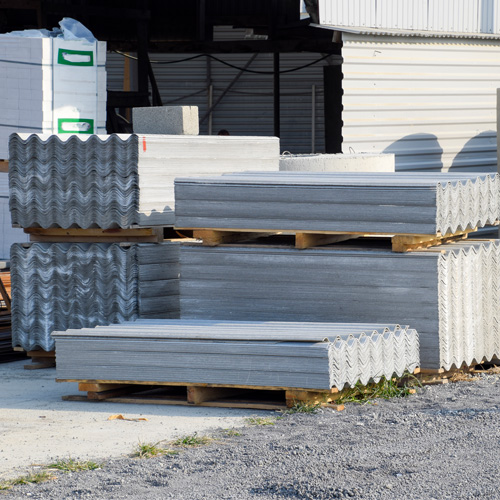
Your jobs use massive amounts of Inventory, and all of it has to be sourced, delivered, and managed, so it’s available when the right person needs it. However, having excessive Inventory means absorbing unnecessary shrinkage costs and, to add insult to injury, paying more to move excess inventory off-site, either to another site or a landfill.

Take Time to Plan:

It starts with planning. Don’t assume how much product you’ll need based on broad strokes; dig into the details. The extra hour it takes could mean the difference between having excess materials sitting on site at completion or making an excessive number of trips to buy more during the build.

Staging Site Nightmares:

Take the time to properly manage your staging sites by running through the worst-case scenarios and preparing for them. Is your lumber sitting on or around dirt that could quickly turn to mud, degrading the bottom layers? If so, find a dry space where your lumber is safe from water damage.

If you don’t have access to an enclosed area, spend the money for proper fencing. External theft is a massive loss of inventory and is easy to avoid. For more extensive insurance, install a camera in a highly visible spot to deter would-be fence climbers. If you’re not able to hook it up to make it work, don’t worry: it just needs to look like it works.

constructions plans and construction site

Building Supply:

We all want to be confident in our businesses, but when confidence leads to idealism, over-inventory can be one of the side-effects.

Here’s a scenario: times are good, orders are piling up, and you could save 20% on materials by ordering a huge batch of pre-made trusses to service these and future orders, should the pattern continue. Instead, the orders dwindle, and the trusses sit. You’re now left either paying to store them inside, or watching the elements wear them down. That’s where idealism leaves a bitter taste.

You’ll pay a little more for the pull-driven system, only ordering the materials when orders come in, but that extra is well worth it if the orders stop and you’re prepared.

Document Your Inventory:

This will feel like a chore, and many will shrug it off in favour of just getting it done, but documenting your Inventory can ensure serious Waste reduction.

Whether it’s tools per truck or yards of sand on a site, make it company policy to write down where everything is. When a hammer is lent to another crew and 10 yards of sand are laid down, make a note of it. Here’s why:

  • Theft: things will get stolen, but this will tell you what and from where, so you can take precautions next time.
  • Borrowing: If one crew needs to borrow another crew’s equipment, they’ll be able to see if they can spare it, or if they’ll need it tomorrow. It will allow you to move tools, materials, and equipment back and forth between crews and sites without having to buy excess.
  • Placement: Knowing what is in whose truck will help in scheduling tasks proactively.