
by The HLH Team
“Bet on the people who think for themselves. “
― D. Michael Abrashoff, It’s Your Ship: Management Techniques from the Best Damn Ship in the Navy
Captain of a Sinking Ship:
 What’s your nightmare business situation? How about being put in charge of a company with terrible productivity, a grumbling team, and the worst performance records in your industry. What would you do?
That happened to Michael Abrashoff. At 36, he became the youngest commander in the U.S. Pacific fleet. The bad news was that his ship, the USS Benfold, was as abysmal as the hypothetical company mentioned above. But in 12 months, he turned it into the #1 ship in the navy. So, what did he do?
How Abrashoff turned his ship around has lessons for all leaders, whether in the navy or business. His philosophy: Everyone wants to excel at his or her job. The leader’s job is to give them the opportunity to do so.
Learn how to become a better leader – Send us an email
“What would you do? It’s your ship!”:
Abrashoff began his 2 year command with the assumption that every one of the crew wanted to succeed. If they didn’t it was on him.
He sat with the 310 strong crew and asked 3 questions:
“What do you like most about the USS Benfold?”
“What do you like least?”
“What’s one thing you would change?”
These three questions are immensely powerful. They have the power to draw out hidden inefficiencies that only the team members can see. If you ask them, and (far more importantly) take ownership of the answers, you’ll start your team working towards a unified purpose.
Abrashoff believed that, as Captain, he served the crew. During lunches on the deck, he and the officers went to the back of the line. They ate with the crew. They shared stories and jokes, and the crew began to know them as people and not ranks.
When your staff members come to you with a problem, what do you say? Do you dismiss their concerns and anxieties or, wanting to be a good boss, solve problems for them? Abrashoff challenged them with, “What would you do? It’s your ship!” By not allowing himself to become a crutch, he empowered them to think for themselves. In doing that, he gained the gift of their perspective.
Want actionable management advice? Give us a shout
Don’t Keep Painting the Ship:
 We know what salt water does to metal. Every couple of months, the Benfold has to be repainted to cover the rust. It took a month. Imagine if you had to close your business every 2 months, for a month, and to spend money in that time on maintenance that you had to do again and again. How profitable would you be?
Does leadership matter? Consider this. A sailor, who had painted the Benfold countless times, felt able to approach Abrashoff with a question. It was the bolts that rusted, so what about replacing them with stainless steel bolts? The mark of a good leader is the fact that his staff feel able to speak up about what bugs them.
By replacing the bolts, time between re-paintings went from 2 months to 10. The navy quickly adopted the practice, saving millions.
If that sailor hadn’t heard, “it’s your ship,” over and over, he wouldn’t have asked. If an employee doesn’t feel valued, he or she will not say what’s bugging him or her. If team members don’t speak up, your business will not improve. It’s up to you, as leader, to ask those 3 crucial, empowering questions and own the answers.
original photos from: https://investingcaffeine.com/2009/11/06/too-big-to-sink/

by The HLH Team
We’re always trying to change our businesses for the better. Whether strategic or not, we’re tweaking procedures, brainstorming ideas, and thinking about how to improve the bottom line.
In the last article, Your Company Is An Iceberg PT. 1/2, I compared your business to an iceberg. The top tip of icebergs are well defined and beautiful. The bottom bulk, hidden beneath the waves, is what guides the ‘berg. The well-defined tip is just along for the ride.
For change to really matter, we need to go deep. Let’s strap on the diving suit and take that journey together. Bring the flashlight; it’s dark down there.
(Click To Enlarge Infographic):

– ( “Iceberg” idea inspired by Rick Torben https://www.torbenrick.eu/ )

by The HLH Team
We know that icebergs are dangerous. They aren’t dangerous because they scratch or bite us, but because of their unknowable mass under the waves. Made of freshwater, icebergs’ relative low density makes them float high in the ocean. With about 90% of their mass under the surface, they’re very hard to map and even harder to predict.
Our company cultures are icebergs. We choose to spend our day-to-day dabbling in the visible aspects we can see and control. We create a vision and post it on the bulletin board. We use that to outline a strategy and define our shared values. We establish procedures to achieve our strategy and create the structure to support them.
While we focus on the visible, the real drivers are happening under the surface. 90% of the bulk of our company culture is beneath the surface, their details unseen their force always felt.
Just under the waves, where we only have to stick our head under to see, are our company beliefs, our shared assumptions and our traditions. We don’t often define these things, but we typically know what they are. Going deeper, we’ll find the unwritten rules that guide our daily behaviour. We never talk about them, but those affected by them always feel them. They can constrain behaviour and stifle innovation, and because they’re often tacitly allowed by management, they’re very hard to define and remove.
At the darkest depths you’ll find the inner feelings of your staff. These are forces that we keep buried within us but guide our most fundamental judgements. Paradoxically, while we spend most of our time crafting process and strategy, it’s the inner lives of our team that really steer the iceberg.
How to Manage Change:
 So what does this have to do with change? For change to be successful, it needs to go deep. It needs to impact the bottom depths of the ice, and we need to approach the bottom differently than the top. We know how to affect change on the top of the iceberg. Brainstorming new strategies and putting the structure in place to support them is our managerial default.
Changing the visible elements will give you all the appearances of making real change, but you won’t see any sustained results. The iceberg will continue to be pulled in the direction it always has been, pulled by the weight beneath the surface. If you want deep change, you’ve got to go deep. As you dive beneath the surface, you’re going to need different tactics to change the levels of culture.
Next week, we’ll look at how to tackle each stage of the ‘berg, from the cerebral top to the dark bottom. To implement effective change, you have to go deep.
by The HLH Team
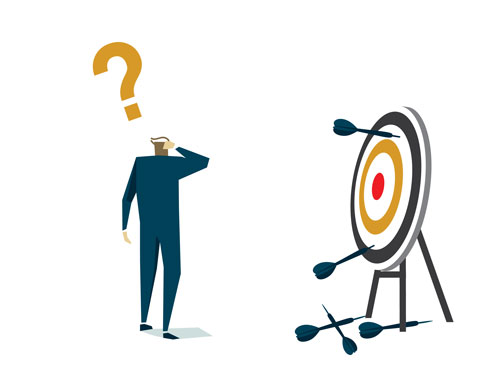
You have a vision for the future. You jump in, bring in guest speakers, talk it up to the team, and everything goes well for the first couple weeks. Then it falls flat. The change you envisioned gets diluted into more of the same. What happened?
 Effective change brings vitality, enthusiasm, and often higher profits to businesses. But it doesn’t happen overnight. 70% of all change initiatives fail and often for the same reasons. Here are the top 5 reasons why, so you can plan for success:
1) You bit off more than you can chew:
Idealism drives change. We develop a vision for what our business can look like, we develop a plan, and we go for it. The tricky part of having a vision is sensing how to portion it out into winnable pieces.
Don’t try to get to “Z” and skip “A” through “Y”. That will overwhelm your team and lead to all around frustration. To achieve your final goal, develop a timeline with smaller, actionable goals along with way.
To build buy-in, position some “low-hanging” wins early on. Small, quick wins will build up momentum for the bigger challenges ahead.
2) Your team hasn’t bought in:
If your team isn’t invested in your change initiative, it’s probably going to fail. At best you’ll need to work harder to convince your staff members about the project’s value; at worst you’ll encounter open sabotage.
Tips To Getting Your Team On Board
Be open every step of the way. Try to be sensitive about the things which you may not think about very often but are foremost on their minds, like job security and the anxiety of new technologies. As excited as you are, they’re equally nervous that you’ll start this and then dump on their shoulders to execute.
Make yourself available by not just opening your door, but coming out of the office and spending informal, casual time in the hallways and break rooms. As anyone who attends conferences regularly will tell you, the “real work” happens in informal settings.
3) Poor planning:
Planning your change initiative is a balancing act. On the one side, you want to line up actionable goals and give the team some quick initial wins. On the other hand, meticulously planning every step can lead to paralysis.
Barriers will happen, and timelines will change. You’ll have to adapt your plan, and then adapt it again. While your planning needs to be about the details, make sure to leave room to learn from your results, improve and repeat as you go.
4) Lack of sustained commitment:
We all love starting new projects. The idealism creates a sense of excitement that seems to push the project forward on its own. It’s a great feeling, but even as we embrace it we need to know that after the excitement comes the work.
For your change initiative to succeed, leadership needs to be committed to change not just the business’s processes, but its culture. Managers need to engage stakeholders for their ideas and feedback, both positive and negative. Effective change isn’t something that you can “get the ball rolling” on and go back to your office.
5) Expecting Instant Success:
The path to effective change is neither linear nor always upward. Most change initiatives follow a “curve”, a pattern wherein morale starts high then dips dramatically as initial momentum wanes and the real work begins. You’re bound to expect a period of anxiety and uncertainty in the project; it’s very normal.
Achieving change that lasts over the long haul takes time. You’ll encounter barriers you didn’t think you would, have frustrations you didn’t think you’d have, and your team will look to you to show vision when it matters most.

by The HLH Team
Whether it was to modernize processes, “lean” your office or shift focus to become more competitive, many of us have tried to change our businesses for the better. Success usually hinges on how much buy-in you have from your team. If they don’t believe in it, it’s not going to work.
Effective change isn’t imposed; it’s cultural. Getting everyone on board isn’t a question of what you tell them to do, but how much you listen to their perspective on how to adapt. Here are some tips on how to get everyone buying in to your change initiative:
1) A to Z Communication:
All change is disruptive. When it’s afoot, rumours about what’s happening in the corner office ripple over email and text messages. People get nervous, they whisper about layoffs and if the processes they’ve done daily for years will change. Will they have to relearn everything? Will they be phased out and replaced? What is management’s vision?
Gone unanswered, office whispers are like water on a mountaintop. They will seep into tiny cracks, freeze, and cause an avalanche. Explain your vision to your team before the rumour-mill starts.
Be prepared to answer questions about why change has to happen (please do it with more vision than improving profit margins). We’re creatures of habit, and the more effort you put into allaying (and not minimizing) office fears, the more buy-in you’ll get.
2) Be In-tune:
 In a workplace where nothing changes, managers sometimes tune-out the daily ups and downs of what staff are going through to focus on “big picture stuff.” The trap we fall into, however, is getting used to not paying attention and missing shifts in team mood.
To engage your team in change, you need to be sensitive to the mood in your workplace. Engage your team members, both formally and (most importantly) informally. Listen to their feedback and take their concerns seriously.
Effective change is about engaging your skeptics as much as your champions. A team member who feels left out or threatened can derail the whole process, but take the time to hear their opinion and they will start to come around.
3) Your Business is not a Machine:
Your company isn’t a machine, and creating a culture of change isn’t about recalibrating it to perform a different function. Businesses are the sum of the people who show up every day and collaborate towards a common goal.
Effective managers don’t instruct how change is going to happen, they inspire it. Instead of trying to reprogram your staff with high paid speakers and long winded emails, get into the cubicles and onto the shop floor and integrate yourself in a team of peers all striving towards a common goal.
If your peer members feel that embracing change will provide them more purpose in their jobs, they will surprise you with their initiative. If they feel like you’re trying to impose change onto them, however, they will shrink back to becoming cogs in the machine.
4) What are your Obstacles?
No matter how ambitious (or not) your vision is, there will be obstacles. Take a step back to look at your project with a 10,000 foot view. Try to anticipate the barriers waiting for you and create actions about how to pre-empt them.
Your change project is going to start with a burst of enthusiasm. It feels great, but don’t get used to it. At some point, momentum is going to turn to slog. It’s going to get hard, so hard it may feel at times that it’s not worth doing. Having a plan for confronting barriers will help keep you confident about your goal and, by extension, will keep your team motivated.
by The HLH Team
3 Takeaways:
1. Daily morning meetings increase communication and efficiency
2. Adapt our agenda to suit your business
3. It will be awkward at first but be consistent
Communication is key to relationships. That applies to our professional life, too. Most companies expect all their employees to be on the same page without providing a vehicle for effective communication.
Paul Akers, author of the succinct and seminal “2-Second Lean,” turned the abstract notion of a morning meeting into an actionable tool for businesses. I’m going to tell you how we adapted his model to our business, in the hopes that you adapt our model to yours.
How HLH Does It:
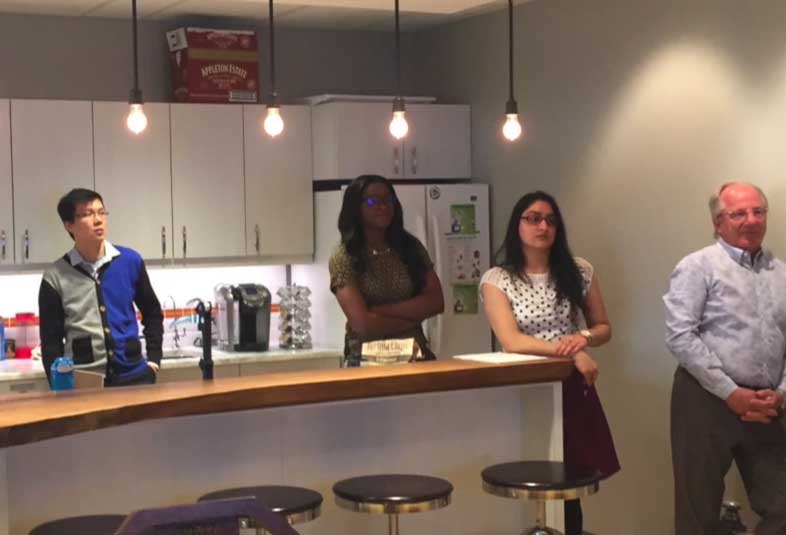
We’ve been doing the morning “drum beat” for over a year. Its evolved into a pivotal part of our office day, and happens every morning at 9:15 no matter who is or isn’t there. Team members take turns leading the meeting (with the schedule posted well in advance). Rotating the leader, which effectively puts that person on the spot, often has the extra benefit of highlighting personal strengths that we didn’t know he or she had before.
It’s standing-only and no longer than 15 minutes. There’s a quick pace so it’s crucial to stay succinct and on topic. Here’s what we talk about:
Our Agenda:
1) Wins/ News/ Things to Celebrate:
A morale builder that wakes people up! Must be kept snappy and no rambling.
2) Partners’ Calendars – due dates and pinch points:
This is anything from the last 24 hours that demands our attention. It’s improved client-services and has made us a more effective rapid-reaction team.
3) Workflow Whiteboard:
Our whiteboard is the office’s visual hub and a pivotal driver for our Process Improvement. More about it here: https://hlhcpa.com/video-resources/
4) Education:
If you’re not constantly learning, you’re falling behind. The daily meeting leader is responsible for an education piece. Whether it’s about the 8 Wastes, a Ted Talk video or demoing new software is up to him or her. This is where our team’s creativity shines through.
5) Continuous Improvement:
Continuous Improvement is about the big impact of small changes adding up over time. A morning meeting is the perfect vehicle for it. Each day, we zero in on one department and ask the relevant person, “what’s bugging you in your department.” “Bugging” is the smoke; that’s what we look for to track the waste down.
We also review improvements made from previous meetings and check in on other ideas people might bring forward.
6) Word of the Day:
Try to end on a light note. The daily meeting leader brings this forward, and while it’s often a term related to the education piece (ex. 5S), it can also just be for fun (did you know “cackleberry” is another word for “egg”?)
View/download a PDF of our morning meeting outline here: Morning Meeting PDF
What to Expect:
 I chatted with Richard Houle about this. He reminded me to add the caveat that the first month or two will be awkward. New habits always are, especially if your team is acclimatized to walking in every morning, saying “hi” and going to sit in their office or cubicle. You’ve gotta work past it, and reassure your team that they’re doing it right when they start to have doubts. After a couple months, the meeting will become indispensable to keeping your team in sync and ruthless about eliminating waste. Richard noted that when a project or problem emerges, the open communication exists for team members to pull together and get it done faster.
Make it Work for Your Business:
We’ve adapted it for HLH, and we love it. For it to work, you need to adapt it to your business. I encourage you to Google “2 second lean morning meeting” and watch how Paul Akers does it, as well. Steal our agenda and adapt it to what your company needs. If a new team member joins, use the meetings as a chance to teach him or her about your company culture. If a major problem arises, channel the team’s collective energy not proactively confront it.